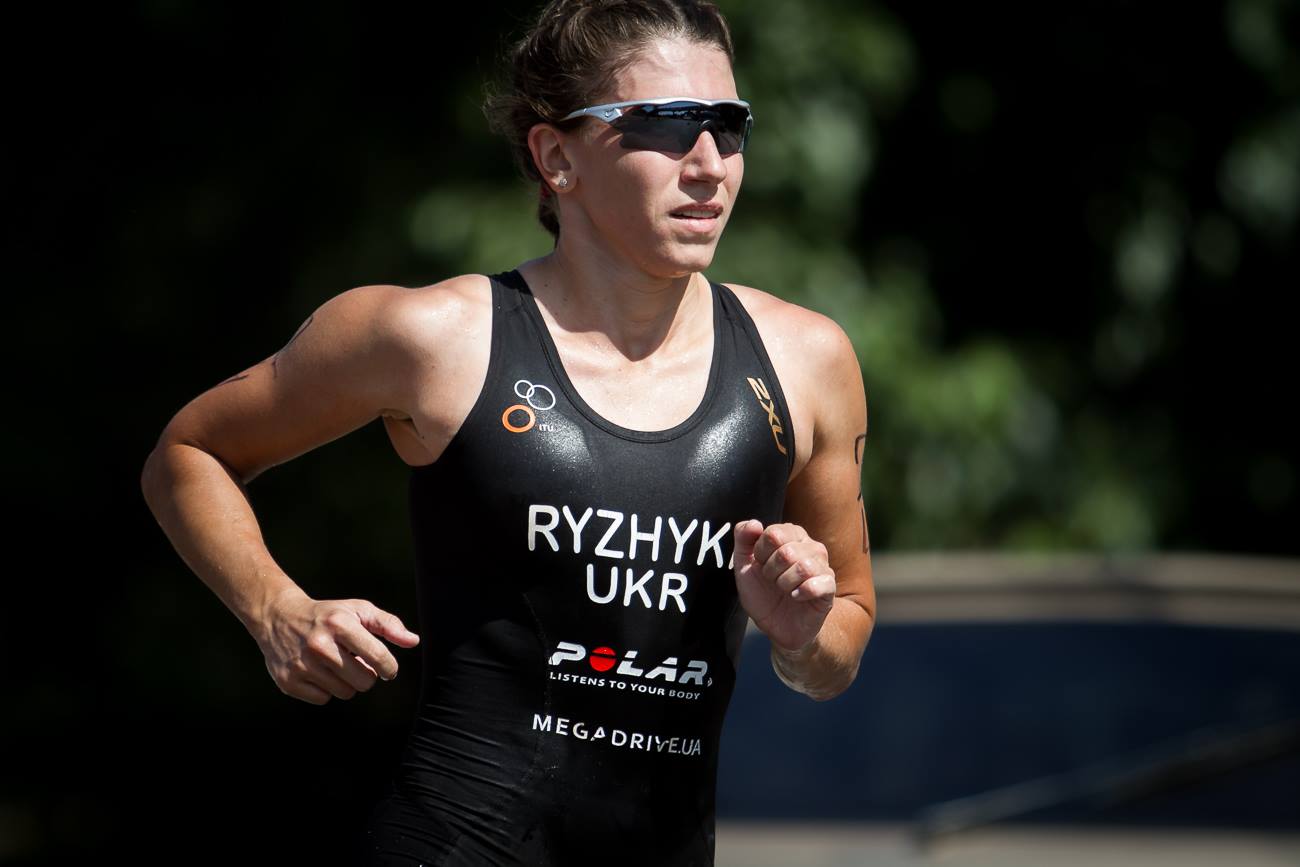
Every spring I get the same message. Only the names change.
"Inna, I signed up for a marathon! It's in three months. Can I make it?"
And every time, I sit over the reply longer than I should. Because there are two short honest answers: "no" and "depends on what you call making it". The long honest answer is this article. Sit down. No scare tactics, but no fairy tales either.
How long does marathon training from scratch really take?
Short version:
- You don't run at all right now. Plan for 6–9 months. Yes, that much. I'll show you where they go.
- You comfortably run 40–60 minutes three times a week. You need a marathon cycle: 16–20 weeks.
- "A marathon in three months, off the couch." That's not training. That's a lottery with two prizes on the ticket: a finish on willpower alone, or an injury.
Where do these numbers come from? Not from a coach playing it safe. From physiology, and physiology doesn't negotiate.
Why the internet promises "marathon in 12 weeks" and I say half a year
Here's the interesting part. Your heart and muscles adapt fast: a couple of months of regular running and you're a different person. Breathing gets easier, pace creeps up on its own, runs start to feel great. And right there the beginner decides: I'm ready, let's add kilometers!
But your tendons, ligaments and bones live in a different time zone. Their blood supply is poor, so they rebuild over months, not weeks. You get a gap: your lungs are ready to go further while your Achilles and knees still need three more months of quiet, boring work. That gap is exactly where beginners fall through, in droves: a 2015 meta-analysis counted 17.8 injuries per 1,000 hours of running in novices versus 7.7 in experienced runners. More than double. Not because people are weak. Because the calendar lied to them.
By the way, if you're scared of "ruining your knees" - science is actually on running's side there, I've covered it: is running bad for your knees. Running doesn't break people. Rushing does.
Four stages: the road from the couch to the finish arch
Stage 1. Learn to run. 8–12 weeks. Run-walk intervals, three times a week, until you can run 30–40 minutes non-stop. Boring? Very. Speed doesn't matter at all here, only the woodpecker routine: a little, but every single time. There are no shortcuts at this stage, and it's the stage that decides whether you finish at all.
Stage 2. The foundation. 2–3 months. Build comfortable running up to 60 minutes, 3–4 runs a week. Your body learns that running is now part of its week, not an event. This is also where you learn to run slow for real: by heart rate, not by feel. I broke down how in my article on heart rate zone training.
Stage 3. The marathon cycle. 16–20 weeks. Now comes the part the internet calls "marathon training". The long run grows from an hour and a half up to 30–32 km, 80% of all running stays easy, and one session a week does the hard work: intervals or tempo. A beginner's peak is usually 40–60 km a week across 3–4 runs.
Stage 4. The taper. 2–3 weeks. Volume drops, strength accumulates. The most nervous part of the whole build: your body is resting while your head screams "we're losing fitness!". Don't listen. It's supposed to work this way.
See what happens? The "marathon training plan" you download is only stage three. The internet simply throws away the first two stages. And your ligaments along with them.
A 9-question check - 90 seconds. An honest answer about which stage you're at, what you already have and what's critically missing before your race, plus my personal feedback. Free.
Take the 90-second check →What a normal training week looks like inside the cycle
No magic:
- 3–4 runs. One is the long run. It's sacred - we don't touch it, we don't move it.
- One does the hard work. Intervals or tempo. The one after which you want to lie down.
- The rest are easy. Easy means "I can speak in full sentences". Can't? Then it's not easy. And if your heart rate spikes even on slow runs - here's why that happens.
- Plus 1–2 short strength sessions, 30 minutes each. That's injury insurance, not bodybuilding.
Notice what's missing from this week: heroics. A marathon is built by months of ordinary training, not by heroic workouts. The way you train is the way you live.
And no, you don't need to run 42 km before the race. The long run tops out at 30–32 km - beyond that, the cost outweighs the benefit: recovering from three-plus hours of running takes more out of you than the run puts in. The full 42,195 meters you'll run for the first time at the marathon itself. Honestly, that's the beauty of it: you don't know for certain until the finish arch. And you toe the start line anyway.
Where your plan will break
Now the part your downloaded PDF stays silent about.
Over 6–9 months, life WILL happen. You'll travel for work. Your kid will bring a virus home from daycare for the whole family. There will be a week when work eats everything. And that's where your marathon gets decided - not at the interval session.
Because at that moment your head will immediately suggest "catching up": cramming the missed sessions into next week. Don't you dare. Catching up kills more marathon builds than laziness ever did. Missed a week? You move on, and the plan rebuilds around reality, not the other way around.
The second trap is pace. "I feel great today" - and your easy runs quietly turn into medium ones, so you arrive at the long run already empty. I don't know this from a textbook. There were races I didn't finish - I couldn't bear the physical pain. And every single time it was a pacing mistake. My own. It's like trying on someone else's size…
If you've already had injuries that keep coming back - first read how to break the injury-rest-injury cycle. You can't build a marathon cycle on top of an old, half-healed injury.
These same stages - but with your paces, your schedule and your race date. I've built my method into an app: answer a few questions and get a week-by-week plan that doesn't fall apart after the first missed workout.
Build my plan Open the calculatorFAQ
How long does it take to train for a marathon from scratch?
Can I train for a marathon in 3 months?
How many kilometers a week do I need to run?
Do I need to run 42 km in training before the race?
Am I too old for a first marathon?
To sum it up: a marathon from scratch is not 42 kilometers. It's 6–9 months, of which the 42 kilometers are the last ones.
And there are no shortcuts in the marathon. You get out exactly as much as you put in.
Inna Ryzhykh - running and triathlon coach, Master of Sport. 20 years in professional sport and 10+ years of coaching: I train athletes and grow amateur triathlon with team REDHEAD. My own half marathon is under 1:30.
Want to train with a coach watching over you - see how we can work together or check my athletes' results. And if 42.2 still scares you - start with a half marathon on three runs a week.
This material is for information purposes. If you have cardiovascular or musculoskeletal conditions - consult a doctor before starting training.